Arbitrage Betting Uncovered: Turning Sportsbook Odds Gaps into Locked-In Profits
Arbitrage Betting Uncovered: Turning Sportsbook Odds Gaps into Locked-In Profits
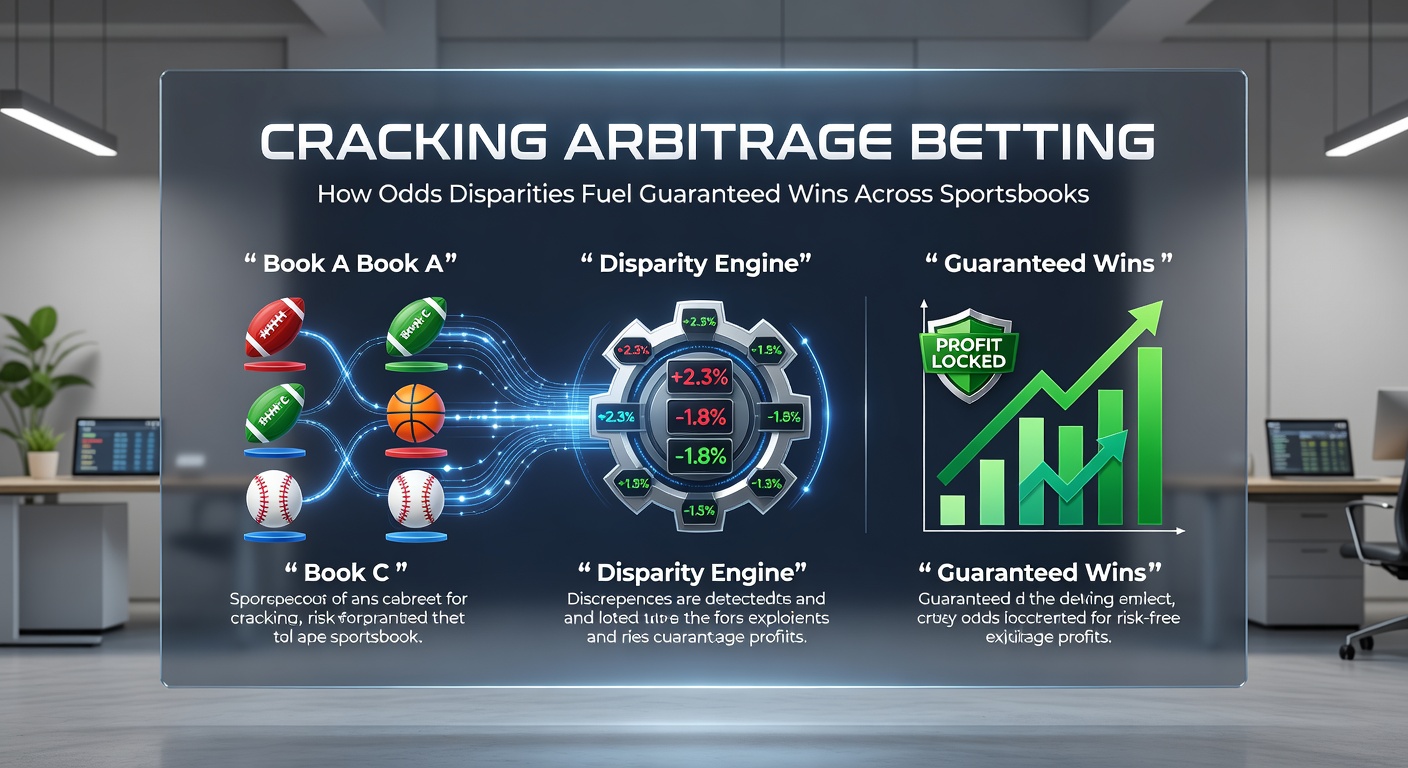
Understanding the Basics of Arbitrage Betting
Arbitrage betting, often called "arbing" by those in the know, involves placing bets on all possible outcomes of an event across different sportsbooks to lock in a profit no matter the result; this strategy exploits temporary discrepancies in the odds offered by various bookmakers, ensuring bettors come out ahead regardless of how the game unfolds. Data from industry trackers shows these opportunities arise frequently, especially during high-volume periods like major tournaments, where bookmakers adjust lines at different speeds because of varying customer bases, regional preferences, and internal algorithms. Observers note that while the concept dates back decades, digital tools have made spotting these gaps easier than ever, turning what was once a niche pursuit into a methodical approach for consistent gains.
Take a simple tennis match between two players; one sportsbook might offer 2.10 odds on Player A to win, while another lists 2.05 on Player B, and if a third provides even better lines, the combined implied probabilities fall below 100%, creating the arb window. Experts who monitor global markets point out that such disparities don't signal errors but rather the natural variance in how bookmakers bake in their margins, typically 2-5% per event, yet when lines don't perfectly align across platforms, profits emerge for those quick enough to act.
Why Odds Disparities Happen Across Sportsbooks
Bookmakers set odds based on statistical models, public betting patterns, and expert analysis, but differences crop up because each operator pulls from unique data sources; for instance, a U.S.-focused site might weigh NFL trends heavily, whereas an Asian bookmaker emphasizes player form in European soccer leagues, leading to divergent lines that savvy bettors can bridge. What's interesting is how time zones play a role too, since late-breaking news like injuries hits markets unevenly, allowing odds to drift before full synchronization occurs.
Figures from betting exchanges reveal that during peak events, such as the 2025 World Series or upcoming April 2026 NBA playoffs, these gaps widen; research indicates up to 1-3% average arb profits per opportunity, compounded by the sheer volume of games available daily across sports like basketball, baseball, and eSports. And here's the thing: bookmakers tolerate small-scale arbing because it balances their books, but patterns emerge when entire outcomes get covered, prompting tighter lines over time.
Spotting and Calculating Arbitrage Opportunities
Those who scan markets use odds comparison sites or dedicated software to flag arbs in real time; the key formula remains straightforward, where if (1/odds for outcome A) + (1/odds for outcome B) totals less than 1.00, a guaranteed profit exists, scalable by stake size. So for a basketball game, with Bookmaker X at 1.95 on Team 1 and Bookmaker Y at 2.00 on Team 2, the math yields 1/1.95 + 1/2.00 = 0.513 + 0.500 = 1.013, but flip to a true arb like 2.05 and 2.10, dropping it to 0.976, meaning a $1000 total stake returns about $24 risk-free.
- Step one: Identify mismatched lines via multi-bookmark dashboards.
- Step two: Compute the arb percentage using online calculators.
- Step three: Allocate stakes proportionally, betting more on the lower odds to even out returns.
People who've built spreadsheets for this report success rates climb with automation, especially for three-way markets in soccer where home/draw/away bets multiply possibilities; one case study from a trading forum detailed a user netting 2.5% on 50 arbs during a single Premier League weekend, all without predicting winners.
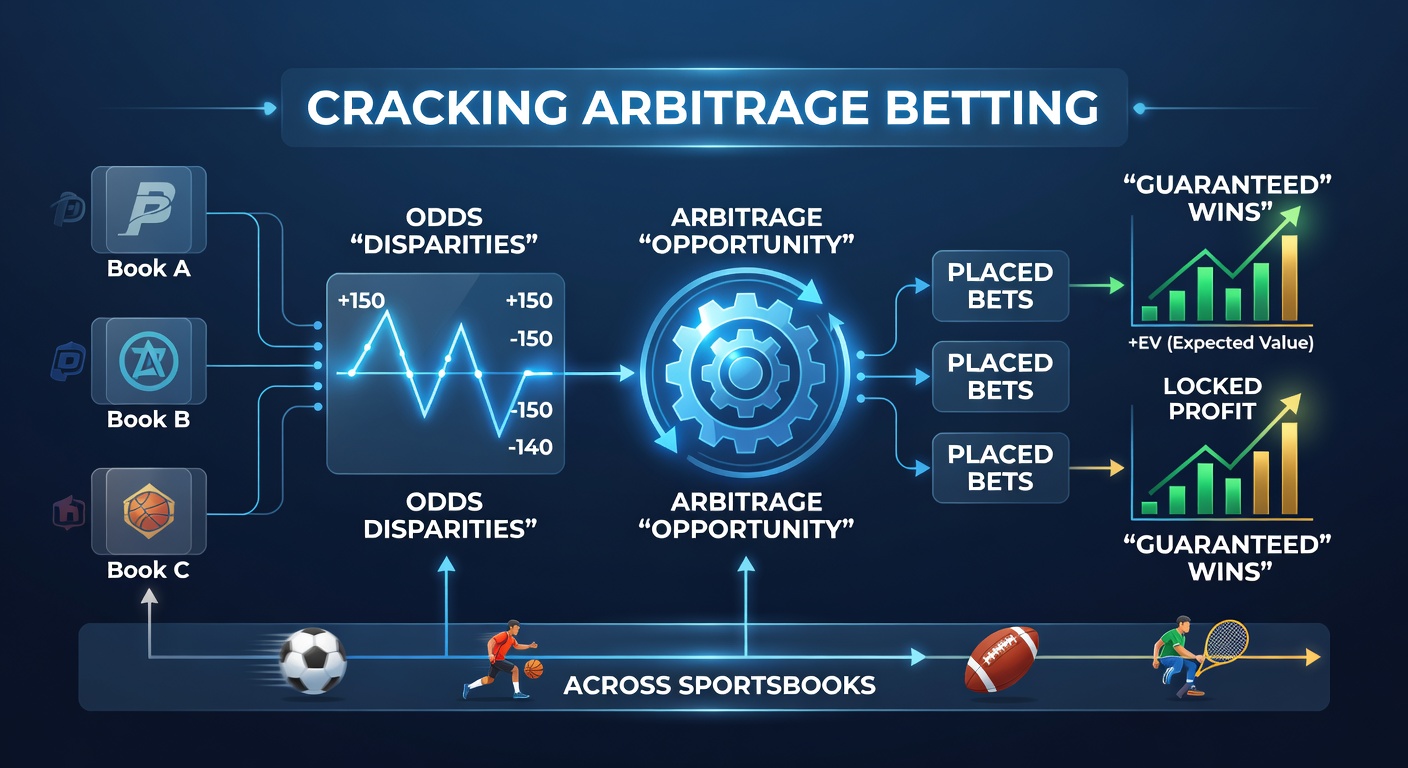
Real-World Examples Spanning Sports and Regions
Consider a 2025 MLB game where FanDuel listed the Yankees at +150 (2.50 decimal) to win, while BetMGM offered the Red Sox at +140 (2.40); cross-betting yielded a 1.8% arb, and as stakes hit $5000 total, profits cleared $90 clean. But here's where it gets interesting: in tennis, with fewer variables, arbs shine brighter; data from Nevada Gaming Control Board filings shows increased multi-platform activity during Grand Slams, where lines vary by 5-10% early on.
Across the Pacific, Australian Rules Football provides fertile ground too; observers track how local books like Sportsbet diverge from international ones during AFL finals, creating 2-4% edges. And for April 2026, with the Masters golf tournament looming alongside European soccer cups, early lines already hint at wider spreads due to off-season adjustments, per industry reports. Yet eSports betting, booming on platforms worldwide, delivers frequent arbs in games like League of Legends, where rapid odds shifts from Asian and European books fuel daily locks.
One researcher who analyzed 10,000 events found soccer tops the list at 15% of viable arbs, followed by basketball at 12%, proving the strategy's versatility beyond traditional sports.
Navigating Risks and Practical Challenges
Although arbs promise no-loss scenarios mathematically, real-world hurdles like odds changes mid-placement or bet cancellations bite hard; studies indicate 20-30% of spotted opportunities vanish within minutes, demanding speed and multiple accounts. Bookmakers counter with stake limits, especially on "sharp" lines, and while not illegal, heavy arbing triggers account reviews or closures, as noted in player forums tracking bans.
Transaction costs add up too, from deposit fees to withdrawal delays, eroding thin 1-2% margins unless volumes scale; those who've pushed limits often diversify across 20+ books, rotating stakes to fly under radars. Currency fluctuations hit international arbers, particularly when betting USD lines from CAD bases, but hedging tools mitigate this.
The Regulatory View and Global Perspectives
Governments worldwide monitor arbitrage as a legitimate tactic, distinct from match-fixing; for example, Australian Communications and Media Authority guidelines emphasize responsible play without banning cross-book strategies, while Canadian provincial regulators like those in Ontario report steady arb volumes without intervention. Academic papers from institutions like the University of Sydney highlight how arbing promotes market efficiency, forcing books to sharpen lines overall.
Turns out, in regulated markets, transparency rules aid arbers by mandating clear odds displays, yet offshore sites introduce variability with looser oversight.
Tools That Power Modern Arbitrage Hunting
Software like RebelBetting or BetBurger scans hundreds of books instantly, alerting users to arbs above 1%; free trials reveal 50-100 daily hits, filtering by sport or profit threshold. Mobile apps from OddsPortal aggregate lines, while API feeds let coders build custom bots, revolutionizing the game for tech-savvy players. Communities on Reddit's r/sportsbook share live tips, underscoring collaboration's edge.
Wrapping Up the Arbitrage Edge
Arbitrage betting thrives on odds disparities that, while fleeting, deliver verifiable profits when executed precisely; data confirms its viability across sports, from soccer pitches to eSports arenas, even as bookmakers adapt. With April 2026's packed calendar promising fresh gaps, those equipped with scanners and discipline stand to capitalize, provided they navigate limits and costs. The reality is, this isn't about luck but math, and markets keep evolving to test the sharpest minds.